Manager Hao (pre oxygenation thread): 13831164999
Manager Shi (pre oxygenation wire): 17332928150
Manager Gu (Pre oxygenation Silk): 13833138900
Manager Zhao (woven fabric, pre impregnated fabric, prefabricated body): 15028196018
Manager Zhang (woven fabric, axial fabric): 13703314888
Manager Zhao (Composite Products): 13944687090
Manager Steve Duan:15704489366
Address: 226 Shifu East Road, Gaocheng District, Shijiazhuang City, Hebei Province
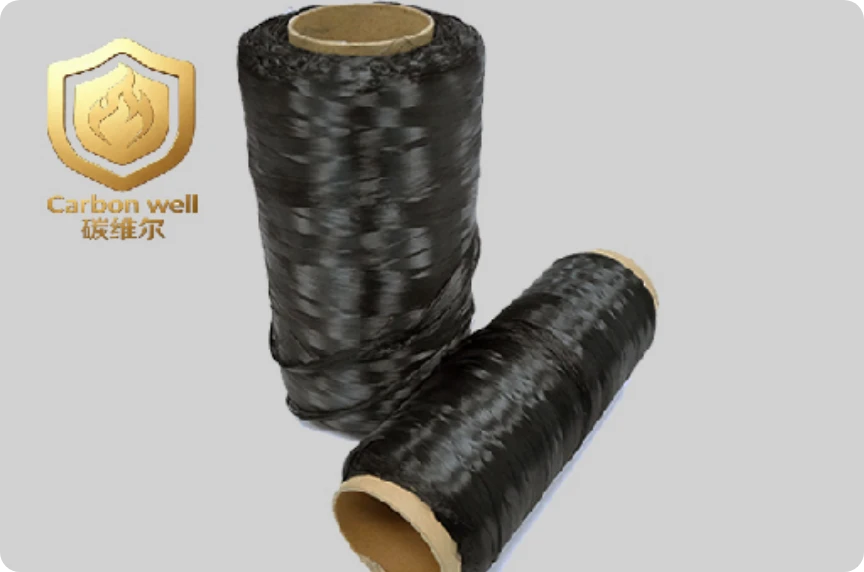
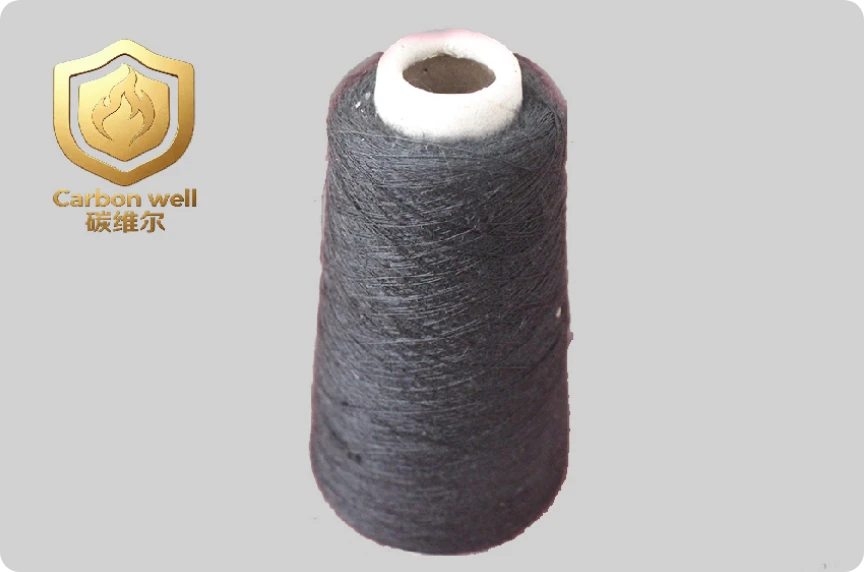
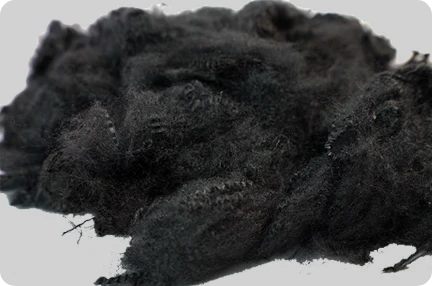
Pre-oxidized fibers (often abbreviated as PANOX fibers) are polyacrylonitrile-based thermally stabilized fibers with inherent flame retardancy. Their limiting oxygen index is higher than that of conventional flame-retardant fibers. They do not melt or drip under open flame, self-extinguish once away from fire, and slowly carbonize at high temperatures to form a thermal insulation barrier. Meanwhile, they feature low smoke emission, chemical corrosion resistance, flexibility and easy processability, making them vital raw materials for manufacturing various flexible fireproof materials. Within fire protection systems, they can be processed and shaped independently or composited with aerogel, aramid fiber, glass fiber and other materials, delivering multiple functions in personnel protection, industrial thermal insulation, new energy fire prevention, rail transit, high-temperature sealing and other fields. This article systematically sorts out the core applications of pre-oxidized fibers in fireproof materials.
I. Core Raw Material for Fireproof Protective Fabrics to Manufacture Flame-Retardant Personal Protective Articles
This represents a relatively mature application of pre-oxidized fibers. Pre-oxidized fibers can be spun into yarns and woven into flame-retardant fabrics, or processed into needle-punched nonwovens for various fire protection equipment. They can be made into liners for fire heat-insulating suits, high-temperature workwear, welding protective fabrics, fire-resistant gloves, fireproof aprons and other products. Under fire or high-temperature conditions, the fibers produce no molten droplets to prevent human burns caused by molten substances. The carbonized layer blocks heat radiation and heat conduction and reduces high-temperature impact on human bodies. They are often blended with aramid fibers to balance flame retardancy and fabric wear resistance and improve the overall performance of protective equipment. In addition, pre-oxidized fiber nonwoven felts are widely adopted for escape fire blankets, welding fire curtains and emergency flame-retardant barriers, commonly used for emergency fire isolation in factories, shopping malls and laboratories.
II. Fireproof and Thermal Insulation Substrate for Preparing Flexible Thermal Insulation Fire Felts
Pre-oxidized fiber needle-punched felts are mainstream flexible fireproof thermal insulation materials. Interlocked fibers form a porous structure with low thermal conductivity and stable fire and heat resistance. They can operate continuously at 200~350°C and withstand short-term higher temperature shocks. Such fire felts are extensively applied for interlayer thermal insulation of industrial equipment, fire wrapping of pipelines and sealing liners of high-temperature furnaces. In case of sudden fire on high-temperature equipment, the felts form a stable flame-retardant isolation layer to slow heat transfer and inhibit flame spread. Compared with inorganic fibers, pre-oxidized fiber felts are soft, easier to cut and wrap during construction, and less likely to generate irritating dust.
III. Reinforcement Matrix for Compositing with Aerogel to Produce High-Performance Fireproof Thermal Insulation Composites
Pure aerogel materials feature excellent thermal insulation performance yet suffer from brittleness and insufficient mechanical properties. Pre-oxidized fibers serve as an ideal reinforcing skeleton for aerogel fire felts. After pre-oxidized fiber felts are used as carriers to be impregnated with aerogel systems, the composite materials achieve ultra-low thermal conductivity, good flexibility and outstanding flame retardancy. They are widely used for fire protection and thermal insulation of new energy battery modules, thermal isolation barriers for energy storage equipment, and fireproof cushioning for 3C electronics. In the event of battery thermal runaway, the materials block heat conduction, delay thermal propagation, form fire isolation layers and reduce risks of cascading ignition.
IV. Fireproof Filling Materials for Rail Transit and Automotive Interiors
Trains, passenger vehicles and new energy vehicles are densely occupied enclosed spaces with strict requirements on interior fire resistance and smoke-toxic gas emission. Fireproof nonwovens and filling cotton made of pre-oxidized fibers are used as flame-retardant filling materials for carriage roof panels, floors and partition interlayers. During fires, the materials produce low smoke and few toxic gases without molten droplets igniting surrounding interiors. They effectively restrain flame spread and win time for personnel evacuation, complying with relevant specifications on flame retardancy for rail transit and vehicle interiors.
V. Raw Material for Fireproof Sealing and Filler Products Under High-Temperature Working Conditions
Thanks to heat resistance, acid and alkali resistance and favorable anti-aging performance, pre-oxidized fibers can be processed into fireproof packing, sealing gaskets, liners for flexible expansion joints and other fireproof sealing materials for metallurgical, petrochemical and heat treatment equipment. Installed at high-temperature pipelines, hot air ducts and expansion compensators, they realize sealing as well as flame blocking, preventing flame propagation through gaps and lowering safety hazards of leakage and fire on high-temperature equipment.
VI. High-Temperature Filter Media for Industrial Flue Gas with Dual Functions of Fire Resistance and Filtration
High-temperature flue gas dust removal scenarios in metallurgy, cement and carbon black industries require filter media that can withstand high temperatures and prevent sparks from igniting filter bags. Pre-oxidized fiber filter media possess favorable heat resistance and flame retardancy, resisting impact from sparks in flue gas and lowering the risk of filter bag ignition. As fire-resistant high-temperature filter materials, they combine dust capture capability and flame-retardant safety, suitable for flue gas purification working conditions with open flame risks.
VII. Fire Stopping and Flame-Retardant Filling for Buildings and Enclosed Spaces
Pre-oxidized fiber felts can be used as flexible fireproof filling materials for wall penetration holes of building electromechanical pipelines and fire partition interlayers. Compared with rigid fire stopping materials, flexible fiber materials adapt to slight displacement of pipelines, sustain fire integrity continuously and stop smoke and flame cross-regional spread. They can also be applied for flame-retardant filling inside fire doors and fire partition walls to extend the fire resistance duration of components.
VIII. Flame-Retardant Supporting Materials for Enclosed Spaces in Aviation and Shipbuilding
Aircraft and ship cabins are enclosed spaces with prominent fire risks. Pre-oxidized fiber fabrics and felts are adopted for cabin partitions, flame-retardant seat cushions and fireproof wrapping layers for cables. The materials boast remarkable lightweight advantages, achieving flame retardancy and thermal insulation while controlling self-weight, meeting dual lightweight and fire protection demands of high-end transportation equipment.
Summary of Core Values of Pre-oxidized Fibers in Fireproof Materials
Inherent flame retardancy without molten droplets: Different from additive flame-retardant materials, the fibers feature stable molecular structures. They only carbonize when exposed to fire and eliminate secondary fires triggered by molten droplets.
Thermal insulation barrier formation: Carbonized layers form under high temperature to block heat conduction and heat radiation and slow flame spread.
Strong processing adaptability: Capable of spinning, needle punching and compositing to manufacture fabrics, felts and composite materials, compatible with various forming processes.
Low smoke and low toxicity: Low emission of combustion flue gas, suitable for densely occupied enclosed spaces.
Chemical resistance: Maintain stable fire performance under acidic, alkaline and humid working conditions.
Tips for Application Selection Reference
Pre-oxidized fibers have limited wear resistance. Pure fiber products are more suitable for thermal insulation and fire isolation layers. If wear-resistant outer fabrics enduring frequent friction are required, blending with high-strength fibers such as aramid fibers is generally recommended. When purchasing fireproof materials, users can select pure pre-oxidized fiber products or pre-oxidized fiber composite fireproof materials according to operating temperature, open flame exposure, flexibility requirements and spatial working conditions.
In general, within the fireproof material system, pre-oxidized fibers mainly undertake four functions: flame-retardant isolation, high-temperature thermal insulation, flexible substrate reinforcement, and fireproof sealing filling. They cover numerous scenarios including personal protection, industrial high-temperature protection, new energy safety, transportation interiors, building fire protection and high-temperature dust removal, and serve as important high-performance basic raw materials in the field of flexible fireproof materials.
Copyright © Hebei Carbon Valley Carbon Fiber Co.,
Ltd. All rights reserved.
Manager Hao (Pre-oxidized Fiber): 13831164999,hjh@hbtangu.com
Manager Shi (Pre-oxidized Fiber): 17332928150,sj@hbtangu.com
Manager Gu (Pre-oxidized Fiber): 13833138900
Manager Zhao (Woven Cloth, Prepreg Cloth, Preform): 15028196018,zb@hbtangu.com
Manager Zhang (Woven Cloth, Axial Cloth): 13703314888
Manager Zhao (Composite Products): 13944687090, zqy@hbtangu.com
Manager Steve Duan:15704489366,245140980@qq.com
Email: 245140980@qq.com
Address: No. 226, East Shifu Road, Gaocheng District, Shijiazhuang City, Hebei Province